
If your jaw aches, clicks, or gets stuck, or you keep waking up with headaches you cannot explain, a TMJ disorder could be the reason. The reassuring part is that most cases settle with simple, gentle care — no surgery, no permanent changes to your bite. At Haru Dental in Torrance, we help patients get to the bottom of jaw pain and find real relief. This guide covers the symptoms, the causes, the exercises you can start today, and the treatments that actually help.
What Is TMJ?
TMJ stands for the temporomandibular joint, the hinge that connects your jaw to your skull, just in front of each ear. You use it every time you talk, chew, or yawn. When that joint and the muscles around it stop working smoothly, the result is a TMJ disorder.
You may also hear it called TMD, which stands for temporomandibular disorder. In simple terms, TMJ is the joint itself and TMD is the problem, though most people use “TMJ” for both. According to the National Institute of Dental and Craniofacial Research (NIDCR), TMD affects about 5% of adults in the United States, and is roughly twice as common in women as in men — most often in women between 35 and 44.
TMJ Symptoms to Watch For
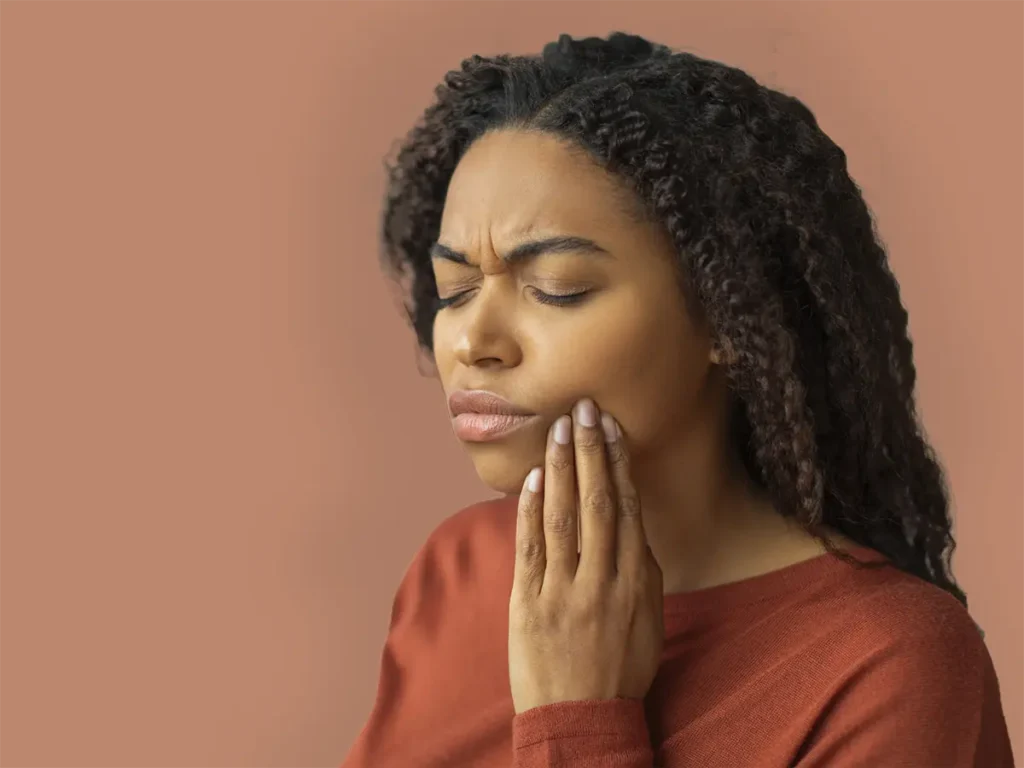
TMJ symptoms can be mild or very disruptive, and they often come and go. Here is what people notice most, and what each sign usually points to.
| What you notice | What it usually points to | Get it checked if… |
|---|---|---|
| Jaw pain or tenderness, often on one side | Overworked chewing muscles, frequently from clenching | It lasts more than a week or two |
| Clicking, popping, or grating when you open | The cushioning disc inside the joint moving out of place | It comes with pain or catching |
| Headaches around the temples | Tension in the temporalis, a main chewing muscle | You wake with them most mornings |
| Aching around the ear, face, or neck | Referred pain from the joint and nearby muscles | An ear exam has already ruled out infection |
| A jaw that locks open or shut | The disc or joint restricting movement | Always — locking needs prompt attention |
| A tired, stiff, or sore jaw in the morning | Night-time grinding or clenching (bruxism) | Your teeth also look worn or flattened |
| Discomfort or difficulty chewing | Muscle fatigue, or a bite that has changed | You are avoiding foods you used to eat |
None of these on their own proves you have a TMJ disorder — jaw pain has other causes, including toothache and sinus problems. That is exactly why an exam is worth it rather than guessing.
What Causes TMJ Disorder?
There is often no single cause. A TMJ disorder usually comes from a mix of things, such as:
- Teeth grinding or clenching (bruxism), often during sleep or times of stress
- Everyday stress, which makes many people tense their jaw without realizing it
- A jaw injury from a fall, accident, or blow
- Arthritis in the joint
- An uneven bite or missing teeth that change how your jaw works
Because grinding and stress are such common triggers, most treatment focuses on protecting your teeth and helping the jaw relax. If years of grinding have already worn your teeth down, rebuilding them is part of the plan too — our dental crowns and restorative dentistry pages explain how that works.
TMJ Treatments That Actually Help
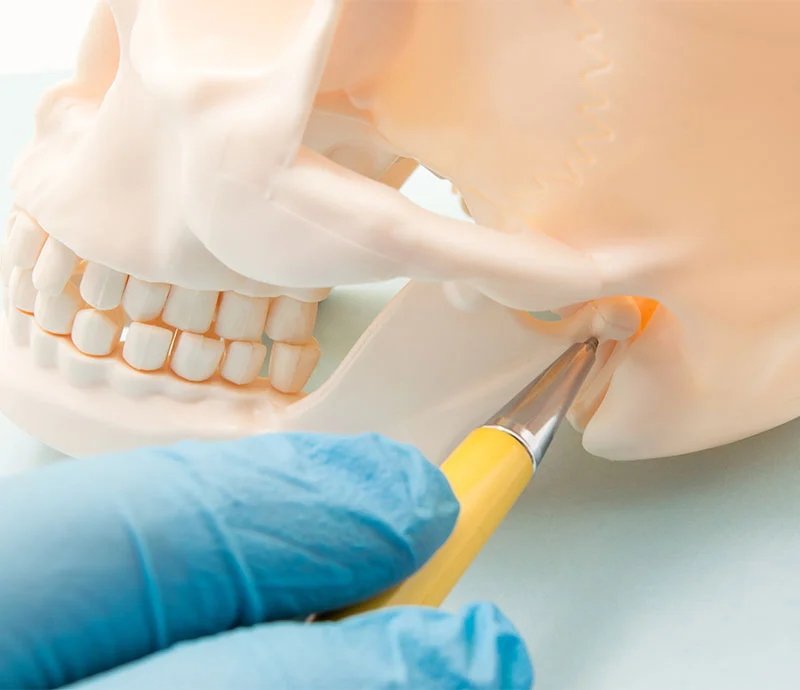
NIDCR’s guidance is to start with simple treatments first, and to talk through the risks carefully before considering anything that permanently changes the teeth, bite, or joint. That is how good dentists approach it too: gentlest options first, and only escalate if they are not enough.
| Treatment | Best for | Typical timeline |
|---|---|---|
| Rest, soft foods, heat or ice | A flare-up that started recently | Days to 2 weeks |
| Jaw exercises and massage | Muscle tightness and limited opening | 2 to 6 weeks of daily practice |
| Custom night guard | Grinding or clenching, morning soreness | Fitted in 2 visits; relief over weeks |
| Botox for the jaw muscles | Strong clenching that has not responded to the above | Effect builds over 1 to 2 weeks, temporary |
| Physical therapy or medication | Stubborn cases, or pain affecting sleep | Weeks to months |
| Surgery | Rare, specific structural problems only | Last resort after conservative care |
Home care and pain relief
- Eat soft foods and give your jaw a rest during a flare-up
- Use a warm compress to relax muscles, or ice to calm swelling
- Avoid gum, hard or chewy foods, and wide yawns
- Manage stress, since tension often shows up in the jaw first
- Try over-the-counter anti-inflammatories as directed on the label
TMJ exercises you can do at home
Gentle stretching is one of the simple measures NIDCR lists among the first things to try. These are the exercises most commonly recommended for TMJ. Move slowly, stay well inside a comfortable range, and stop if pain increases — these should never hurt. If your jaw locks, or the pain is sharp, see a dentist before starting.
- Relaxed jaw. Rest your tongue on the roof of your mouth, just behind your upper front teeth. Let your teeth come apart and your jaw muscles go loose. Hold for 30 seconds. This is the resting position your jaw should sit in all day.
- Partial opening (“goldfish”). Tongue on the roof of the mouth. Put one finger in front of your ear on the joint, and one on your chin. Drop your lower jaw halfway and close. Six repetitions, up to six times a day.
- Full opening. Same setup, but let the jaw drop all the way down, then close slowly. Six repetitions.
- Chin tucks. Shoulders back and chest up, pull your chin straight back to make a “double chin”. Hold three seconds, repeat ten times. This one targets the neck posture that feeds jaw tension.
- Resisted opening. Place a thumb under your chin and open your mouth slowly against light resistance. Hold three to six seconds, then close.
- Resisted closing. Pinch your chin gently between thumb and index finger and close your mouth against that light resistance.
- Side-to-side and forward. With a clean object about a quarter-inch thick between your front teeth, move your jaw slowly from side to side, then gently forward. Increase the thickness only as it gets easier.
Consistency matters more than intensity. A few minutes several times a day beats one long session, and most people notice a difference within two to six weeks.
A custom night guard
If you grind or clench, a custom night guard is one of the most effective tools available. This small, comfortable appliance cushions your teeth and helps your jaw rest, which reduces pain and protects your teeth from wear. Unlike a drugstore boil-and-bite tray, a custom guard is made from an impression of your own teeth, so it fits properly and does not push your bite into a new position. It is a core part of our TMJ treatment.
Botox for TMJ
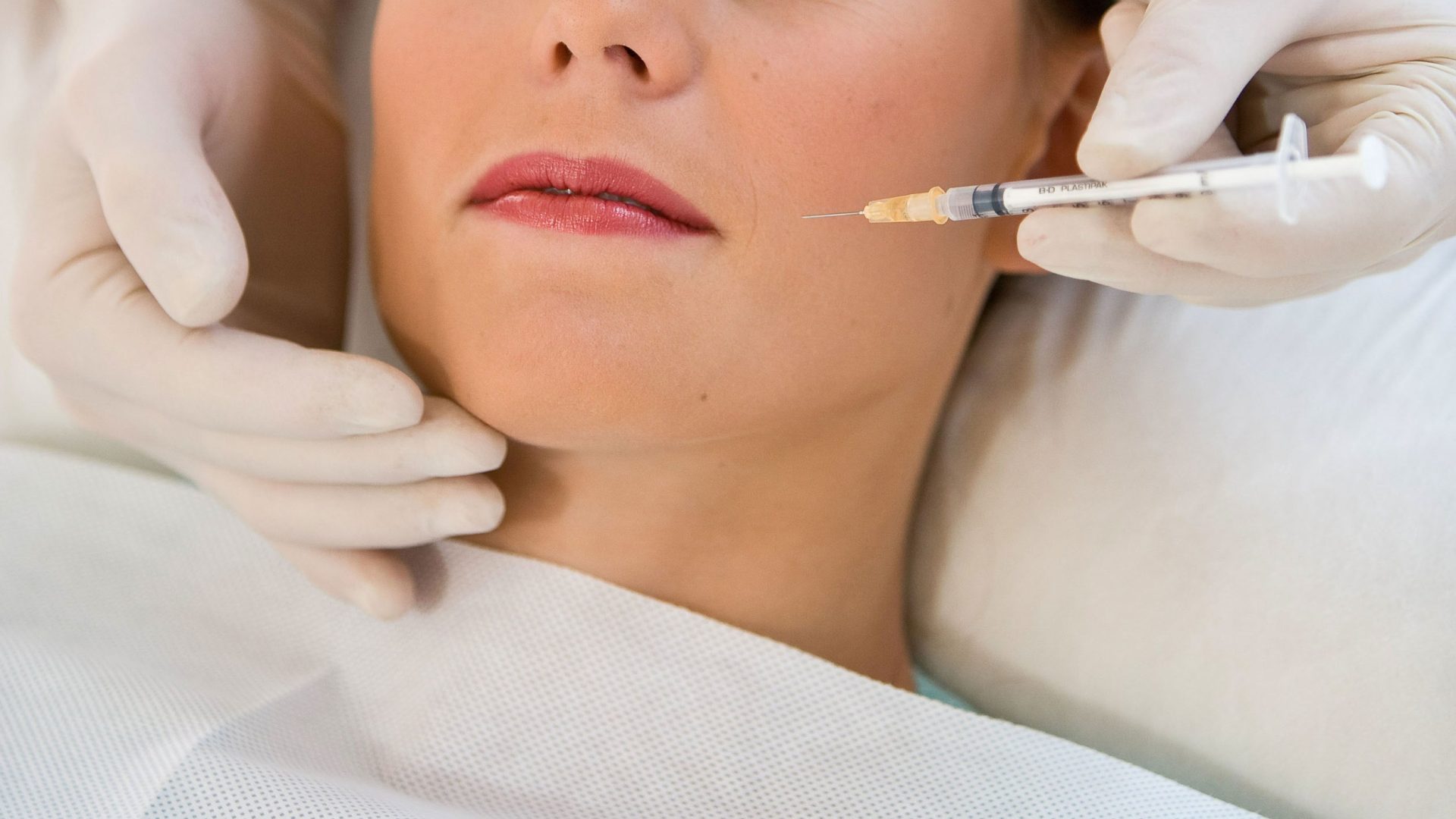
For some patients, Botox injections relax the overworked jaw muscles that drive clenching and pain. It is not a cure, and the effect is temporary — typically a few months — so it works best alongside a night guard and the habit changes above rather than instead of them. Whether it suits your case is a conversation for a consultation. You can learn more on our Botox treatment page.
Medication, physical therapy, and surgery
In some cases, a dentist or doctor may suggest muscle relaxants or refer you for physical therapy. Surgery is rare. NIDCR is explicit that before considering irreversible treatments — surgery, TMJ implants, or anything that permanently changes the teeth, bite, or joints — you should discuss the benefits, risks, and alternatives carefully. For most people, conservative care is enough.
Does TMJ Go Away? How Long Does It Last?
For many people, a TMJ disorder is not permanent. NIDCR notes that TMD symptoms often go away on their own. With gentle care, stress management, and a night guard if needed, symptoms frequently ease within a few days to a few weeks. Some cases are more stubborn or flare up again during stressful periods, and those need ongoing management. Everyone is different, and there are no guarantees — but most patients feel considerably better with the right plan.
How to Prevent TMJ Flare-Ups
Once your symptoms settle, a few everyday habits help keep them from coming back. Notice when you are clenching, especially at your desk or in traffic, and let your jaw rest with your lips together and your teeth slightly apart. Keep meals a little softer during stressful stretches, take short breaks to relax your shoulders and jaw, and wear your night guard as directed.
Small changes add up. Many patients find that simply becoming aware of their clenching, combined with a night guard, makes a real difference over time. And if you catch a flare-up early and rest the jaw, it often settles much faster. Regular dental checkups help too — worn enamel and flattened chewing surfaces are often the first sign of grinding, and your dentist will spot them before you do.
When to See a Dentist About Jaw Pain in Torrance
Many people search for a “TMJ specialist” when the jaw pain will not let up. In practice, what most cases call for is a dentist experienced in jaw pain, bite problems, and night guards — someone who can examine the joint, check how your teeth meet, and rule out the other things that cause facial pain.
Book a visit if jaw pain, clicking, or locking lasts more than a week or two, keeps returning, or is affecting how you eat and sleep. At Haru Dental in Torrance, Dr. Jongwook Lee and our team provide personalized TMJ care, from night guards to Botox, in a calm and comfortable setting. You can learn more about Dr. Lee, and if dental visits make you anxious, our anxiety-friendly care and sedation options can help you feel at ease. If your jaw has locked or the pain is severe, treat it as urgent — see our emergency dentistry page.
Frequently Asked Questions
What is the difference between TMJ and TMD?
TMJ refers to the temporomandibular joint, the hinge that connects your jaw to your skull. TMD stands for temporomandibular disorder, the problem affecting that joint and its muscles. Many people simply say TMJ for both. NIDCR reports that TMD affects about 5% of adults in the United States.
Does TMJ go away on its own?
Often, yes. NIDCR notes that TMD symptoms frequently resolve without treatment. Many people improve within a few days to a few weeks with rest, soft foods, and stress management. Severe, long-lasting, or recurring cases should be checked by a dentist.
What are the best TMJ exercises?
The most commonly recommended are the relaxed-jaw position, partial and full controlled opening with a finger on the joint, chin tucks, and gentle resisted opening and closing. Do them slowly, several times a day, and stop if pain increases. Most people notice a change within two to six weeks.
What is the best treatment for TMJ?
There is no single best treatment. Conservative care helps most people: resting the jaw, soft foods, warm or cold compresses, stress management, gentle jaw exercises, and a custom night guard if you grind. Botox or physical therapy can help in cases that do not settle with those.
Can a night guard help TMJ?
Yes. If grinding or clenching is part of the problem, a custom night guard cushions your teeth and helps your jaw rest, which can reduce pain and protect your teeth from wear. It is one of the most common and effective TMJ treatments, and a custom guard fits far better than a drugstore tray.
Does Botox for TMJ work?
For some patients it does. Botox relaxes the jaw muscles that drive clenching, which can reduce pain. It is temporary, usually lasting a few months, and it is not a cure — it works best combined with a night guard and habit changes. Whether it suits your case depends on the exam.
When should I see a dentist about jaw pain?
Book a visit if jaw pain, clicking, or locking lasts more than a week or two, keeps returning, or affects your eating and sleep. A locked jaw should be seen promptly. A dentist can find the cause and build a plan to relieve it.
Get TMJ Relief at Haru Dental in Torrance
Jaw pain, clicking, and tension headaches can wear you down, but they are very treatable — and the treatments that work best are also the gentlest. Let our team find out what is causing your symptoms and the simplest way to relieve them.
Call us today at 310-362-2875 to book your TMJ consultation, or request an appointment online. Relief may be simpler than you think.
This article is general information, not a diagnosis or a treatment plan. Jaw pain has several possible causes, and only an in-person exam can tell you which one applies to you. Sources: NIDCR and the American Dental Association’s MouthHealthy.
Keep Reading