
Restorative Dentistry in Torrance, CA — Repair, Replace, Rebuild
Everything that puts a damaged mouth back together: fillings, crowns, bridges, implants and dentures. Planned as one sequence by a dentist with a Master’s in Restorative Dentistry, so the pieces work together rather than against each other.
259 reviews from Torrance families
the founder’s postgraduate specialty
not a list of separate procedures
before any treatment begins
What Restorative Dentistry Covers
The distinction that matters is scale. One cavity is a single procedure. A mouth where several teeth are failing at once is a sequence — and the order you do things in changes the result, because every restoration has to meet the opposing teeth correctly and share the chewing load.
Single Repair or Full Mouth Reconstruction?
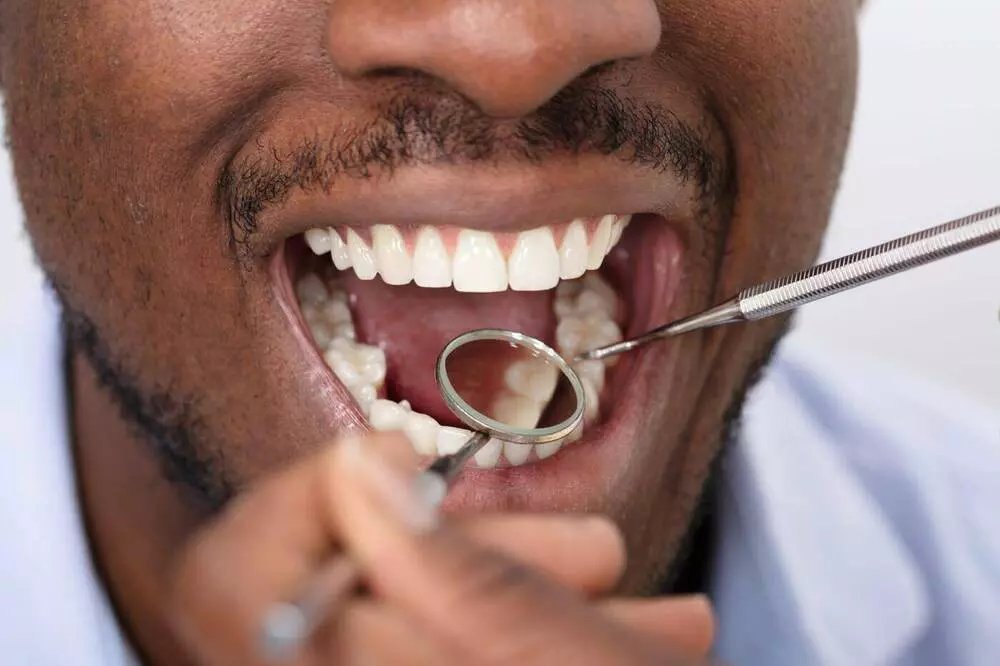
Most people need one or two things fixed. A smaller number need the whole bite rebuilt. Knowing which you are is the first appointment.
A single restoration when…
- One tooth has decay, a crack or a lost filling
- A tooth has been root treated and needs crowning
- One tooth is missing and the rest are sound
- An old restoration has failed but the bite is otherwise stable
- You are in no pain and nothing else is flagged on the X-rays
Full mouth reconstruction when…
- Several teeth are broken, worn or failing at the same time
- Years of grinding have shortened the teeth and changed your bite
- You are missing teeth in more than one part of the mouth
- Old crowns and bridges are all reaching the end together
- Jaw pain or clicking suggests the bite itself needs rebuilding
A full mouth reconstruction is planned as a whole and delivered in stages, so it can be paced to your budget rather than done all at once.
What Restorative Dentistry Costs in Torrance
There is no single figure, because restorative dentistry is a category rather than a procedure. What we can promise is that you see the whole plan priced before any of it starts.
The whole sequence, quoted
Not one tooth at a time with the total revealed gradually. You get the full plan with every stage priced, and you decide how much of it to do and when.
Well covered by insurance
Restorative work is medically necessary rather than cosmetic, so most plans contribute across fillings, crowns, bridges and dentures. We verify before treatment.
Staged to your budget
Urgent work first, elective work later. CareCredit and in-practice payment plans spread larger reconstructions over months.
Repair, Replace or Rebuild
Three levels of restorative work. Which one applies depends on how much natural tooth is still there.
Repair the tooth
Fillings, inlays, onlays and crowns.
- Always preferred while enough tooth remains
- Cheapest and least invasive route
- See fillings and inlays and onlays
Rebuild the bite
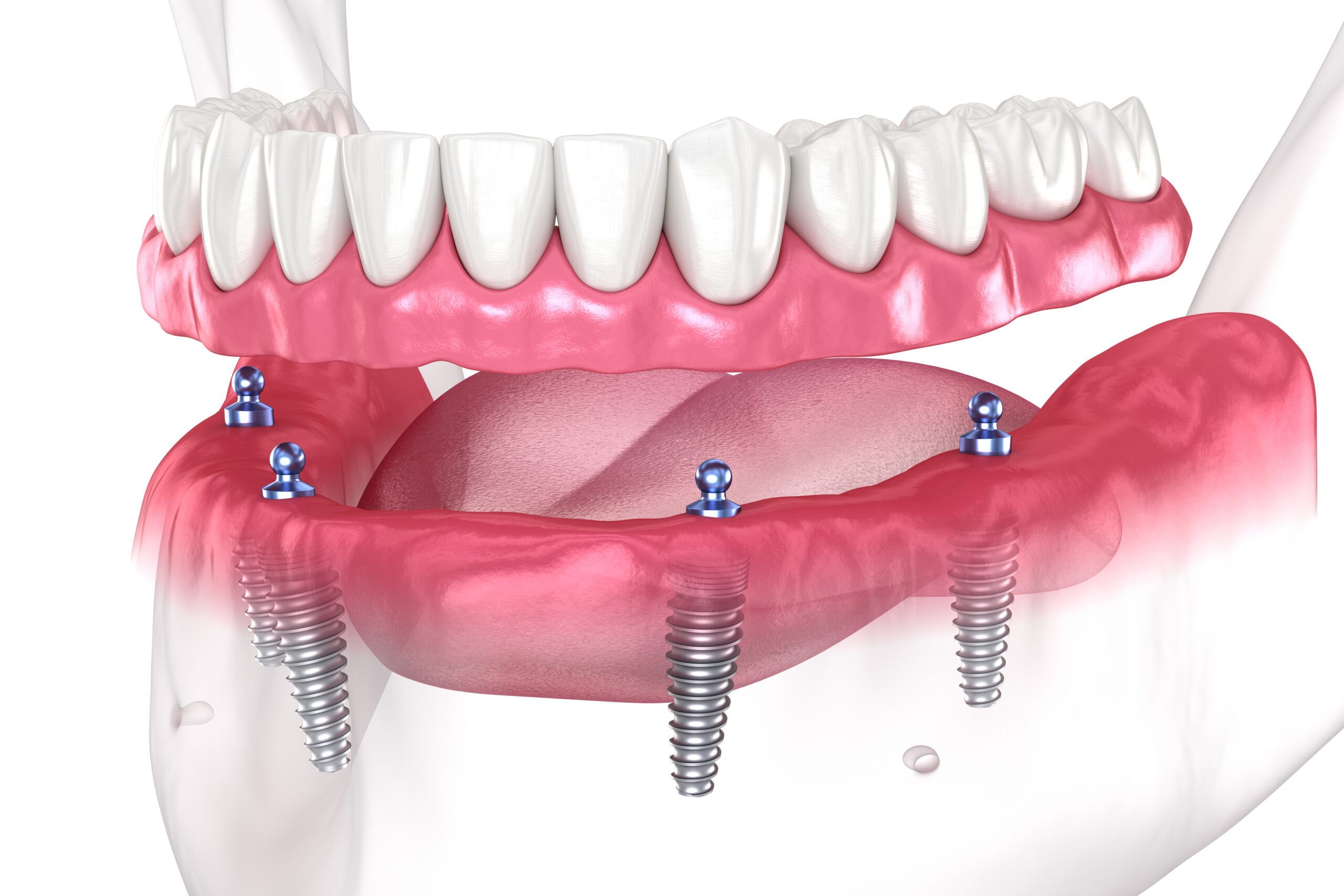
Full arch or full mouth reconstruction.
- When several teeth fail together
- Bite height and jaw position are re-established
- See full mouth implants
How a Restorative Plan Is Built
Nothing is drilled at the first visit. A plan comes first, because the order of treatment changes the outcome.
Full Assessment
X-rays, photographs, gum measurements and a bite analysis. We look at the whole mouth rather than the tooth you came in about — that is usually where the rest of the picture appears.
Plan & Sequence
You get the options, the order and the cost in writing. Disease is stabilised first, structure second, appearance last — doing that in the wrong order is the most common way a large case goes wrong.
Treat in Stages
Work proceeds in agreed blocks, with the bite checked at every stage. Larger reconstructions are paced so you are never committing to more than the next step.
Protecting the Investment
Restorations do not decay, but the natural tooth around every margin can. The maintenance is ordinary and it is what decides how long the work lasts:
- Brush twice daily and clean between the teeth every day, especially at every margin
- Keep six-month checkups so margins are X-rayed before decay gets underneath
- Wear a night guard if you grind — grinding is what fractures crowns and bridges
- Do not chew ice, pens or hard candy on restored teeth
- Report anything that feels high, loose or sensitive early rather than waiting
Well-maintained restorative work commonly lasts ten to fifteen years and often much longer. What ends it is almost always new decay at a margin, not the material failing.
Why Complex Cases Come to Haru
Restorative is the founder’s specialty
An MS in Restorative Dentistry with three years of postgraduate prosthodontic training, plus teaching implant dentistry to practicing general dentists.
Everything under one roof
Fillings through to full arch implants in the same office, so nothing is coordinated between practices and nobody loses the thread of a long plan.
Conservative first
If a filling or an onlay will do the job, that is what you will be offered. Bigger is not better in restorative dentistry — keeping your own tooth is.
Easy from anywhere in the South Bay
A short drive from Redondo Beach, Manhattan Beach, Hermosa Beach, Gardena, Carson, Lomita, Palos Verdes, Harbor City and San Pedro, with free parking on site.
Restorative Dentistry Questions, Answered
The part of dentistry that repairs and replaces damaged or missing teeth, as distinct from preventive care and cosmetic work. It covers fillings, crowns, bridges, implants and dentures. In practice it overlaps with cosmetic dentistry constantly, because a crown on a front tooth both restores the tooth and changes how it looks.
There is no single figure because it is a category rather than one procedure. What you get here is the whole plan priced before any of it starts, rather than a running total that grows appointment by appointment. Most restorative work is well covered by insurance because it is medically necessary, and we verify your benefits first.
Rebuilding most or all of the teeth in both arches as one planned sequence, usually when several teeth are failing together or years of grinding have collapsed the bite. It is not a single procedure — it is fillings, crowns, implants and sometimes full arch implants delivered in a deliberate order, staged over months.
Disease first, structure second, appearance last. Active decay and gum disease are stabilised before anything is rebuilt, because building onto an unstable foundation wastes the work. Within that, anything painful or at risk of being lost comes first.
Most of it, usually. Restorative treatment is medically necessary rather than elective, so plans contribute to fillings, crowns, bridges and dentures — though annual maximums often mean a large case is best staged across two benefit years. We map that out with you deliberately.
Commonly ten to fifteen years for crowns and bridges, often longer, and decades for well-maintained implants. The failure point is nearly always new decay starting at a margin, which is why daily cleaning of those margins and six-month X-rays matter more than the material chosen.
Usually yes, as a by-product. A crown, a bridge or a bonded repair restores function and appearance at once. Where appearance is the main goal rather than a side effect, our cosmetic dentistry page sets out the options.
Yes. Our office on Marcelina Ave in Old Torrance is a short drive from Redondo Beach, Manhattan Beach, Hermosa Beach, Gardena, Carson, Lomita, Palos Verdes, Harbor City and San Pedro. Parking on site is free, which matters for a plan that means several visits.
Restorative Treatments
Several Teeth Needing Work at Once?
Book a full assessment at Haru Dental in Old Torrance. You will get X-rays, a bite analysis and the whole plan in writing — in the right order, with every stage priced — before any treatment starts.
Opening Hours
- Mon–Fri: 9:00 AM – 6:00 PM
- Every other Saturday: 9:00 AM – 3:00 PM
- 1454 Marcelina Ave, Torrance, CA 90501
- (310) 362-2875