
TMJ Treatment in Torrance, CA — Jaw Pain, Clicking and Morning Headaches
Most jaw pain is muscular rather than a damaged joint, which is why it responds so well to treatment. Night guards, bite adjustment and masseter Botox, chosen after we work out which of the two you actually have.
259 reviews from Torrance families
the distinction that decides treatment
custom-made, not a drugstore tray
for the clenching itself
What TMJ Disorder Actually Is
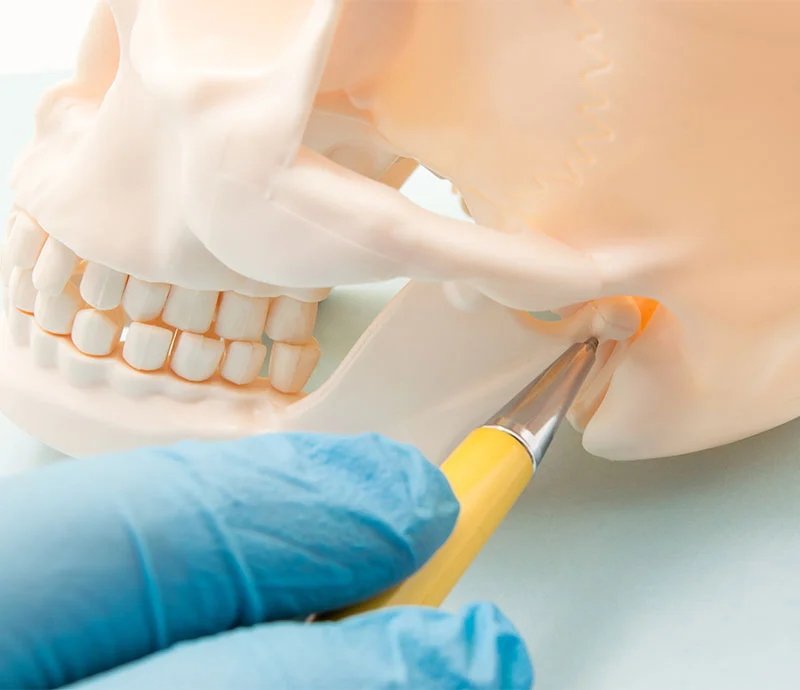
The temporomandibular joints sit just in front of each ear and hinge the lower jaw. TMJ disorder is a catch-all for problems in those joints or, far more often, in the muscles that work them — and the difference between those two matters more than any other thing on this page.
A muscular problem means the jaw muscles are overworked, usually from clenching or grinding. They ache, they refer pain into the temple as a headache, and the face feels tight. A joint problem means the disc inside the joint has slipped or the joint surfaces are worn — that is what produces clicking, locking and pain deep inside the ear.
Muscle or Joint? How We Tell
We examine the joints, feel the muscles while you clench, measure how far you can open, and read the wear on your teeth. The pattern tells us which you have.
Usually muscular when…
- You wake with a tight, aching jaw and a dull headache
- The ache is at the angle of the jaw or in the temple
- Your teeth show flattened, worn biting surfaces
- It gets worse during stressful weeks
- Chewing something tough sets it off
- Your partner has heard you grinding at night
Points at the joint when…
- The jaw clicks or pops audibly when you open
- It locks open, or catches on the way down
- You cannot open as wide as you used to
- Pain is deep inside or just in front of the ear
- There is grating rather than clicking
- It followed a specific injury or a long dental appointment
Ear pain with no infection sends a great many people to a physician first. If your ears have been checked and cleared, the jaw joint is the next place to look.
What TMJ Treatment Costs in Torrance
TMJ care is a sequence rather than one procedure, so it is quoted step by step — and we start with the least invasive thing that could work.
Assessment first
An examination and, where needed, imaging establish whether this is muscle or joint. Nothing is quoted before we know which we are treating.
Night guard as the usual first step
A custom guard is a single lab-made appliance and the most common starting point. It is quoted on its own so you can start there and stop there if it works.
Botox priced by the unit
Where clenching is the driver, masseter Botox is priced by units used and lasts three to four months — we discuss the yearly figure, not just one visit.
Night Guard vs Botox vs Bite Adjustment
Three treatments working on the same problem from completely different directions. They are regularly combined rather than chosen between.
Custom night guard
Protects the teeth from the force.
- Shields enamel and existing dental work from wear
- Often eases morning jaw ache within weeks
- Does not stop the clenching itself
Masseter Botox
Reduces how hard the muscle can contract.
- Targets the clenching rather than its consequences
- Often eases the tension headaches that follow it
- Lasts three to four months per treatment
Bite adjustment & restoration
Corrects how the teeth actually meet.
- For a high filling or crown loading one side
- Rebuilds teeth already worn flat by grinding
- Fixes the cause rather than managing it
Your TMJ Assessment and Treatment
We start conservatively. Irreversible treatment is a last resort in TMJ care, and most people never need to get near it.
Examine & Diagnose
We palpate the joints and the jaw muscles, measure your opening range, listen for clicking, and read the wear pattern on your teeth. That is what separates a muscular problem from a joint one — and it changes the whole plan.
Start Conservative
Usually a custom night guard, plus jaw-rest guidance, heat, soft food for a period and targeted exercises. Most muscular cases improve substantially on this alone, and it is entirely reversible.
Escalate Only If Needed
If clenching is driving it and the guard is not enough, masseter Botox reduces the force directly. Where a high restoration or heavily worn teeth are the cause, the bite is corrected. Referral is arranged for the small minority with genuine joint damage.
What Helps Between Appointments
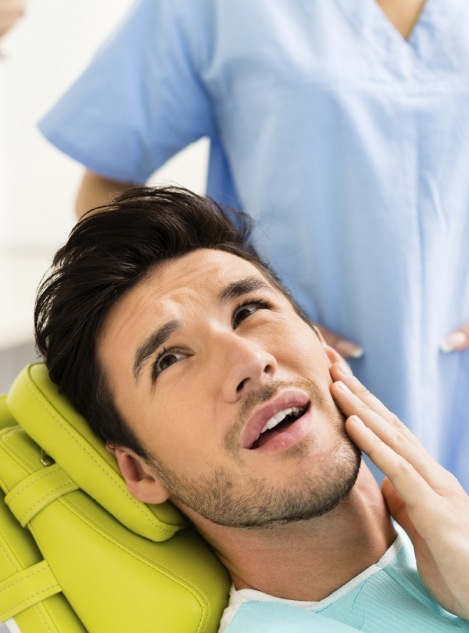
Jaw muscles heal like any other overworked muscle — by being rested. These make a measurable difference:
- Keep teeth apart at rest; lips together, teeth slightly open is the natural position
- Moist heat on the jaw muscles for 15 minutes, twice a day
- Softer food for a few weeks — no chewing gum, no bagels, nothing you have to tear
- Do not open wide: support your chin when you yawn
- Notice daytime clenching — most people do it at a screen without realizing
- Wear the night guard every night, not only on bad nights
Most muscular TMJ pain improves noticeably within a few weeks of conservative treatment. Pain that is getting worse, or a jaw that locks, should be seen rather than waited out.
Why Torrance Patients Bring Jaw Pain Here
We work out which problem it is first
Muscle and joint problems look similar and need different treatment. The examination that separates them is the whole basis of the plan, not a formality before selling a guard.
Every option in one office
Custom night guards, masseter Botox, bite adjustment and restoring worn teeth all happen here — so the plan is not limited to what one clinician can provide.
Conservative before irreversible
We start with the reversible options and escalate only when they are not enough. Grinding that has already worn teeth down is restored by a dentist with an MS in Restorative Dentistry.
Easy from anywhere in the South Bay
A short drive from Redondo Beach, Manhattan Beach, Hermosa Beach, Gardena, Carson, Lomita, Palos Verdes, Harbor City and San Pedro, with free parking on site.
TMJ Questions, Answered
TMJ care is a sequence rather than a single procedure, so it is quoted step by step. The assessment comes first, then usually a custom night guard — priced on its own so you can start there and stop there if it works. Masseter Botox is priced by units used. Insurance sometimes contributes toward a night guard; we check your plan and tell you before anything is made.
Most cases are muscular — overworked jaw muscles from clenching or grinding, which ache, refer pain into the temple as a headache, and make the face feel tight. Joint problems produce clicking, locking, reduced opening and pain deep inside the ear. The examination separates them, and the treatment is genuinely different, so this is the first thing we establish.
No, and that is worth being clear about. A night guard protects your teeth from the force and often eases morning jaw ache, but you carry on clenching into it. To reduce the clenching itself, masseter Botox works on the muscle directly. The two are frequently used together.
Often, where the problem is muscular. Relaxing the masseter — the large chewing muscle at the angle of the jaw — reduces how hard you can clench, which eases the jaw ache and the tension headaches that follow it. Results last three to four months. It does nothing for a damaged joint, which is why the diagnosis comes first.
Usually the disc inside the joint slipping slightly out of position and snapping back as you open. Clicking on its own, with no pain and no restriction, often needs nothing more than monitoring. Clicking with pain, locking, or a reduced ability to open is worth assessing properly.
Very commonly, yes — especially headaches that are there when you wake and sit in the temples. Clenching overnight overworks the temporalis and masseter muscles, and that tension refers as a headache. Patients treated for the clenching frequently report the morning headaches going with it.
A boil-and-bite guard protects enamel to a degree, but it does not fit your bite, it is usually bulky, and a poorly fitting guard can load the joint worse than no guard at all. A custom guard is made to your own impressions and adjusted so the bite meets evenly on it — which is the part that actually helps the muscles.
Almost certainly not. The overwhelming majority of TMJ cases are managed conservatively with a guard, self-care and treating the clenching. Surgery is a last resort for a small minority with genuine structural joint damage, and we would refer rather than rush toward it.
Yes. Our office on Marcelina Ave in Old Torrance is a short drive from Redondo Beach, Manhattan Beach, Hermosa Beach, Gardena, Carson, Lomita, Palos Verdes, Harbor City and San Pedro. Parking on site is free.
Related Treatments
Waking Up With a Sore Jaw?
Book a TMJ assessment at Haru Dental in Old Torrance. We examine the joints, the muscles and the wear on your teeth, tell you which problem you actually have, and start with the least invasive thing that will work.
Opening Hours
- Mon–Fri: 9:00 AM – 6:00 PM
- Every other Saturday: 9:00 AM – 3:00 PM
- 1454 Marcelina Ave, Torrance, CA 90501
- (310) 362-2875