The words “tooth extraction” might strike fear into some, but not only is this amongst the more common procedures in the dental practice, but it is also rarely the first course of action. Here at Haru Dental, we work hard to save our patients’ natural teeth. Our team only extracts teeth in the rare and specific situations in which the patient’s overall health and well-being would be best served. To help you understand some of those situations, we have created this guide on the need for a dental extraction.
What Is a Tooth Extraction?
A tooth extraction is the removal of a tooth from its socket in the jawbone. There are two main types:
- Simple extraction: Performed on a visible tooth, typically using a local anesthetic. The dentist loosens the tooth and gently removes it.
- Surgical extraction: A form of minor oral surgery used for teeth broken at the gumline or that haven’t fully emerged, such as impacted wisdom teeth. This may involve a small incision.
Both are routine procedures, and modern techniques make them far more comfortable than most people expect.
Common Tooth Extraction Reasons
Your dentist will only recommend removing a tooth when keeping it would harm your oral health. Here are the most common tooth extraction reasons:
Severe tooth decay. When a cavity is so deep that a filling, crown, or even a root canal can’t save the tooth, extraction may be the only way to stop the damage and prevent infection.
Advanced gum disease. Periodontal disease can destroy the bone and tissue that hold a tooth in place. If you have a loose tooth that can’t be stabilized, removal is sometimes necessary.
A cracked or broken tooth. A cracked tooth or a broken tooth that’s damaged beyond repair may require a broken tooth extraction to prevent further problems.
Impacted wisdom teeth. Wisdom tooth extraction is often needed when wisdom teeth don’t have room to emerge, causing pain, infection, or damage to neighboring teeth.
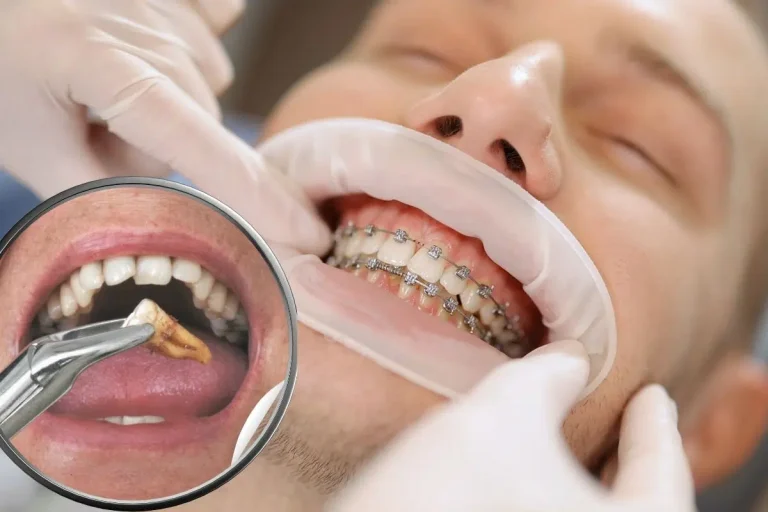
Overcrowding. Sometimes a tooth is removed to create space before orthodontic treatment, helping the remaining teeth align properly.
Infection. An infected tooth extraction may be recommended if decay reaches the pulp and can’t be controlled, or if a patient’s immune system is compromised.
Stubborn baby teeth. Occasionally, a child’s baby tooth doesn’t fall out on its own and needs help to make way for the permanent tooth.
In every case, our team explores all the alternatives first — extraction is only recommended when it truly serves your long-term health.
How Does a Dentist Decide If a Tooth Should Be Removed?
The decision is never made lightly. During your visit to Haru Dental, we examine the tooth and take X-rays to assess the extent of tooth decay, damage, or bone loss. This helps us determine whether a restorative option — like a filling, crown, or root canal — can save the tooth, or whether removal is the better path.
If you’re experiencing severe tooth pain, swelling, or a dental emergency, we also offer prompt care. In some situations, an emergency tooth extraction is the fastest way to relieve pain and protect your health.
What to Expect During the Tooth Extraction Procedure
If an extraction is the right choice, here’s what the tooth extraction procedure usually looks like:
- Comfort first: The area is fully numbed with a local anesthetic, and sedation options are available if you’d like to feel more relaxed.
- Removing the tooth: For a simple extraction, the dentist gently loosens and lifts the tooth out. For a surgical extraction or more complex dental surgery, a small incision may be made to access the tooth.
- Protecting the site: Gauze is placed over the area to help a blood clot form, and stitches may be used if needed.
During the procedure itself, you shouldn’t feel pain — only some pressure. The entire appointment is often quicker than patients expect.
Tooth Extraction Aftercare and Recovery
Good tooth extraction aftercare helps you heal smoothly and avoid complications. In the first 24 hours:
- Bite gently on the gauze to control bleeding and help a clot form
- Rest and avoid strenuous activity
- Don’t rinse forcefully, use a straw, or smoke — these can dislodge the clot and cause a painful condition called dry socket
As you recover:
- Stick to soft, cool foods like yogurt, smoothies, and soup
- Manage any tooth extraction pain with a cold compress and recommended pain relief
- Keep the area clean, gently rinsing with warm salt water after the first day
Most people feel noticeably better within a few days. The typical tooth extraction healing time for the gum tissue is a couple of weeks, and we’ll give you detailed, personalized instructions to support your tooth extraction recovery before you leave.

Replacing an Extracted Tooth
If the extracted tooth is not one of your wisdom teeth, then its replacement should be considered. A tooth gap can lead to your other teeth shifting left or right and can even affect your bite. A tooth gap can even cause your jaw to lose its bone mass over time.
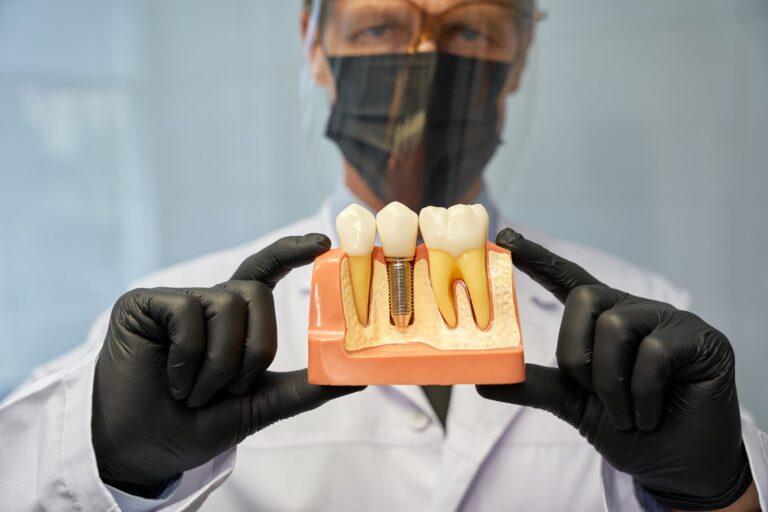
Your options are as good as your prospects! Rest assured that your choices will include dental implants, bridges, or dentures. Our team is always available to answer your questions to make an informed choice you are comfortable with regarding not just your smile, but your overall oral health in the long-term.
How to Avoid Needing an Extraction
Many extractions are preventable with consistent care:
- Brush twice a day and floss daily
- Keep up with regular check-ups and cleanings
- Treat cavities and gum issues early, before they worsen
- Wear a mouthguard if you grind your teeth or play sports
Catching problems early is the best way to keep your natural teeth for life.
Think You Might Need an Extraction? We Can Help
A tooth extraction is a safe, routine procedure — and sometimes it’s the healthiest choice for your smile. Whether you’re dealing with tooth pain, a broken tooth, or simply unsure of your options, the team at Haru Dental will examine your situation carefully and recommend the right path, always with your long-term health in mind.
Book your consultation with Haru Dental and take the first step toward a healthy, comfortable smile.
Frequently Asked Questions
1. Does a tooth extraction hurt?
The procedure is done under anesthetic, so you won’t feel pain — just some pressure. Mild soreness afterward is normal and easily managed.
2. How long does it take to recover from a tooth extraction?
Most patients feel much better within a few days, with the tooth extraction healing time for the gum tissue running about two weeks.
3. How much does a tooth extraction cost?
The tooth extraction cost depends on whether it’s a simple or surgical removal and the tooth involved. Our team will review the cost and your insurance coverage before treatment.
4. What is dry socket, and how do I prevent it?
Dry socket occurs when the protective blood clot is dislodged. Avoid straws, smoking, and forceful rinsing in the first few days to prevent it.
Keep Reading