A pleasant and confident smile that is free of misalignment and other problems adds a level of beauty and charm to a person; it also enhances chewing, offers better protection to the gums, and can enhance speech. When one requires a treatment to correct malalignment, the question that most people ask is, “Invisalign or braces, which is better?” Both of these services work; however, they fit different budgets, lifestyles, and individual dental needs. Our office, Haru Dental, handles the question of Invisalign vs braces and the particulars of each treatment daily. This is your guide to the better option.
What Is Invisalign?
Invisalign is a system that corrects your teeth through removable, custom plastic trays. Each tray moves your teeth a small step and should be replaced after one to two weeks. As they are designed to be clear and removable, you can even take them out for eating, and most people won’t notice them, which makes them the ideal solution for adults and teens who don’t want to wear conventional braces.
What Are Traditional Braces?
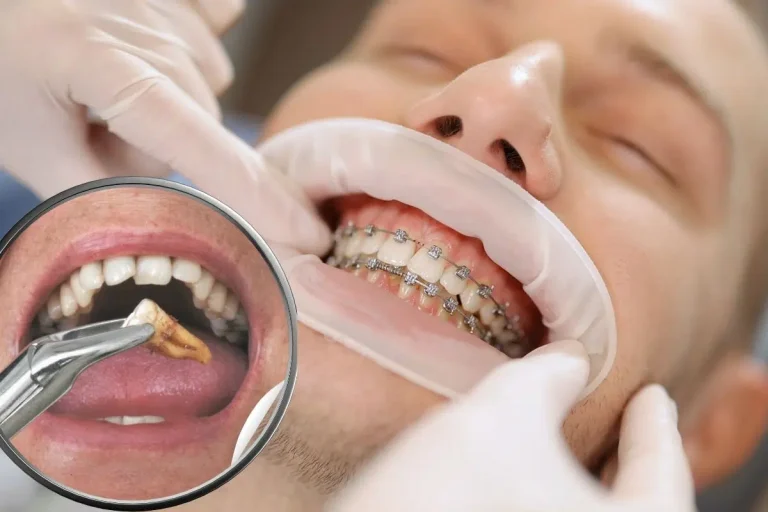
Metal brackets are glued to a tooth’s surface. Wires strung horizontally through each bracket are sequentially tightened to pull teeth into position. Ceramic brackets and lingual braces are modern alternatives. Braces are recommended for anything, including severe bite problems and small crowding.
Invisalign vs Braces: A Side-by-Side Comparison
When you look at traditional braces vs invisalign factor by factor, the differences become clear.
Appearance
Invisalign aligners are clear and barely noticeable, making them the go-to for people who’d rather keep treatment private. Braces are more visible, though ceramic brackets offer a subtler look.
Comfort
Invisalign’s smooth plastic trays are gentle on your cheeks and gums. Braces, with their brackets and wires, can occasionally irritate — especially right after an adjustment.
Treatment Time
A common question is Invisalign vs. braces, which is faster. Invisalign typically takes 12–18 months for mild to moderate cases, while braces usually run 18–24 months but can handle more complex corrections that aligners can’t.
Cost
Before making a decision, a lot of patients are interested in knowing the differences between Invisalign and braces, specifically the costs for each. The cost for braces and Invisalign is usually fairly similar; however, braces may be cheaper in complicated situations. When considering the cost for Invisalign versus braces, be aware that most insurance policies will cover either one, and here at Haru Dental, we have financing options that make treatment possible.
Maintenance and Oral Hygiene
Because Invisalign trays are removable, brushing and flossing stay simple. Braces require extra care to clean around brackets and wires.
Diet and Lifestyle
With Invisalign, you remove the trays to eat — so there are no food restrictions. Braces require avoiding sticky, hard, or chewy foods that can damage the hardware.
Correcting Bite Issues
For patients researching braces vs invisalign for overbite, traditional braces often deliver more predictable results for significant bite problems, while Invisalign works beautifully for mild to moderate corrections.
Invisalign vs Braces: Pros and Cons
Here’s a quick look at the Invisalign vs. braces pros and cons to help you compare at a glance.
Invisalign Pros:
- Nearly invisible and removable
- Comfortable, with no wires to irritate your mouth
- No food restrictions
- Often fewer in-office visits
Invisalign Cons:
- Requires discipline — trays must be worn 20–22 hours a day
- Not ideal for highly complex cases
- Easy to misplace if you’re not careful
Traditional Braces Pros:
- Handle the most complex alignment and bite issues
- No compliance required — they work 24/7
- Often, the better value for difficult cases
Traditional Braces Cons:
- More visible
- Food restrictions
- Brushing and flossing take extra effort
Which Option Is Right for You?
The best choice depends on your unique situation:
- Case complexity: Mild to moderate misalignment favors Invisalign; severe bite or spacing issues often favor braces.
- Age and lifestyle: When comparing Invisalign vs. braces for kids, braces are a dependable choice for younger patients who may not stay disciplined with removable trays, while adults and professionals often prefer Invisalign’s discretion.
- Self-discipline: Invisalign only works if you wear it consistently. If that sounds tough, braces remove the guesswork.
- Budget: Both are investments, and the right financing plan can make either option comfortable.
The truth is, there’s no universal winner — only the option that’s right for you. That’s where a professional evaluation makes all the difference.
How Haru Dental Helps You Decide
When deciding on braces vs. Invisalign, you should not have to guess. At Haru Dental, our consultations include an exam, a digital scan, and a treatment plan made specific to you with consideration to your goals, your time, and your finances. Our team shows you everything you need to know about the plan, all with no pressure and no surprises.
Final Thoughts: Your Path to a Straighter Smile
There is no clear winner when choosing between braces or Invisalign; whichever works best for your particular goals and lifestyle is the best choice. With either treatment, beautiful results can be achieved when performed by a qualified team.
Would you like help determining what may work best for you? We can design a plan to straighten your teeth, and most importantly, we may be able to boost your confidence. Just book an appointment with Haru Dental!
Aligners and braces both straighten teeth, but they are only one branch of cosmetic dentistry in Torrance, which also covers whitening, veneers and bonding.
Frequently Asked Questions
1. Is Invisalign more expensive than braces?
Costs are often similar. Complex cases may make braces slightly more economical, but it depends on your specific treatment plan.
2. Does Invisalign work as well as braces?
For mild to moderate cases, yes. For complex corrections like a severe overbite, traditional braces may produce more predictable results.
3. Which is faster, Invisalign or braces?
Invisalign typically takes 12–18 months, while braces usually run 18–24 months, depending on case complexity.
4. Are braces or Invisalign better for kids?
Both work well. Braces suit kids who may struggle to wear aligners consistently, while disciplined teens often love Invisalign’s discreet look.
5. Will I need a retainer afterward?
Yes — with both options, wearing a retainer keeps your newly straightened teeth from shifting back.
Keep Reading