

If you’re missing a tooth, one of the first things you probably want to know is: how much are dental implants? It’s a fair question, and the answer you find online is often a wide range with little explanation.
In this guide, we break down what you’re paying for, a typical price range, what makes one implant cost more than another, and how insurance and payment plans fit in. At Haru Dental in Torrance, Dr. Jongwook Lee plans and places implants in our own office, so you get one clear treatment plan from start to finish.
How Much Are Dental Implants? Why Prices Vary So Much
As a national ballpark, a 2024 article from the American Academy of Implant Dentistry puts the total for an implant, abutment, crown, and other necessary procedures at about $3,100 to $5,800, based on the American Dental Association’s Health Policy Institute cost survey. Fees vary by region and change over time, so treat that as a starting point, not a quote.
When you search “how much is a tooth implant,” you’ll see very different numbers. That’s because a dental implant isn’t one item. It’s a small treatment plan with several parts, and every mouth needs a slightly different plan.
Two people can both “need one implant” and still have very different costs. One might have healthy bone and need only the implant and crown, while another needs the tooth removed first, plus a bone graft to rebuild the area.
Both end up with one new tooth, but the work involved is not the same. That’s why the most useful number is the one you get after an exam and a 3D scan, and at Haru Dental, we quote each stage in writing, so you can see exactly where your money goes.
What’s Included in the Cost of a Single Tooth Implant
A single tooth implant usually has three main parts:
- The implant post. A small titanium post placed in your jawbone. It acts like a new tooth root.
- The abutment. A connector that attaches to the post and holds the crown.
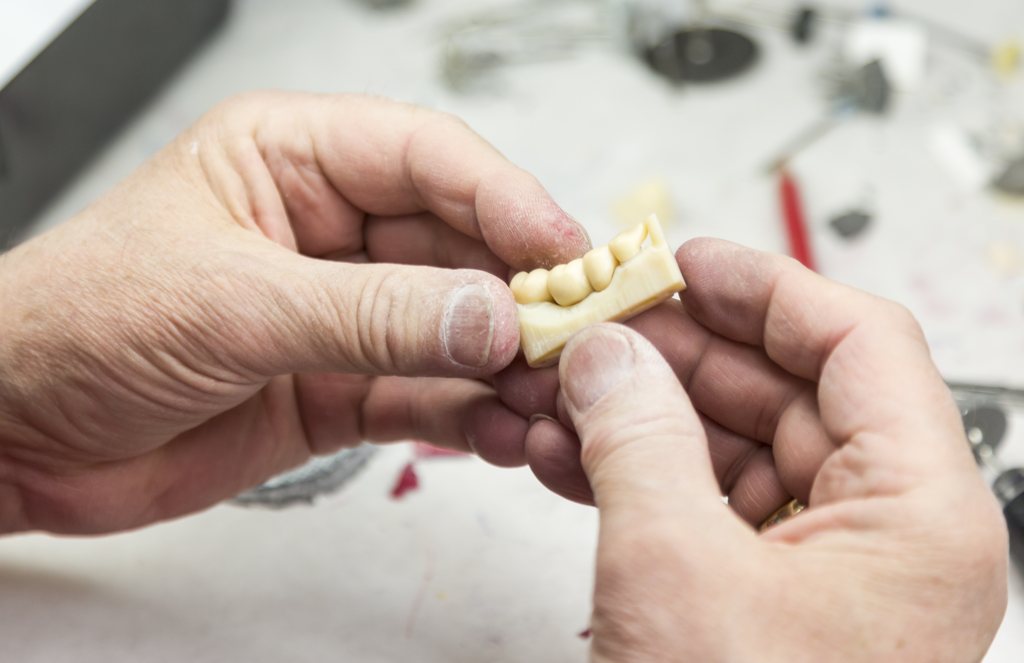
- The crown. The custom-made tooth you see when you smile, shaded to match your natural teeth.
Your total also includes the planning that makes the implant safe and long-lasting. That means your exam, X-rays, and a 3D cone-beam CT scan that maps your bone, nerves, and sinuses before treatment.

Extra Steps Some Patients Need
Not everyone needs these, but they’re the most common reasons a quote goes up:
- Tooth extraction if the damaged tooth is still in place. When an implant is the plan, we place a socket graft at the same visit to preserve the bone.
- Bone grafting if the jawbone has thinned since the tooth was lost
- Sinus lift for some upper back teeth, where the sinus sits close to the jaw
- Treating gum disease first, so the implant has a healthy base
- A temporary tooth while you heal, which we fit wherever a front tooth is involved
Ask whether your quote includes these steps, or whether they’ll be added later. A lower price that leaves them out isn’t really a lower price.
At Haru Dental, the 3D scan at your consultation shows whether you need a graft or sinus lift, so it’s planned in from the start rather than discovered halfway through. Grafting is routine, but it adds a few months to your timeline.
What Affects Dental Implant Cost Per Tooth
Beyond the extra steps above, a few other details shape the cost of dental implants:
- Where the tooth is. Front teeth need careful shaping for looks. Back teeth handle heavy chewing and can need more bone support.
- The implant system. We use several established systems, including Nobel Biocare, Zimmer, 3i, Osstem, and DIO, and choose the one that suits your bone and your case.
- The crown material. Different dental crown materials vary in strength, look, and cost.
- Who does the work. When the same office places the implant and fits the crown, there’s no referral out and no second practice learning your case halfway through, so you get one plan and one quote.
3 Tooth Implant Bridge Cost vs Three Single Implants
Missing several teeth in a row? You don’t always need one implant per tooth. An implant bridge can replace three teeth using just two implants, one at each end, with a false tooth in the middle.
Because it uses fewer implants, an implant bridge often costs less than three separate implants. The trade-off is that the teeth are joined together, so you’ll clean under the bridge with a floss threader or water flosser.
Your dentist can help you weigh both options based on your bone and bite. You can also compare a traditional option on our dental bridges page.
If you’re missing most or all of your teeth, full-arch options are a different conversation, because four to six implants can carry a whole fixed arch. Read our guide to All-on-4 vs All-on-X dental implants to learn more.
How Much Are Dental Implants With Insurance?
Your tooth implant cost with insurance depends on your plan, and coverage for implants varies a lot. Here’s what to check:
- Is the implant itself covered? Some plans now contribute toward implants. Others exclude them, or pay only what a bridge or denture would have cost.
- Your annual maximum. Most dental plans cap what they’ll pay each plan year. An implant can use much of that limit, so some patients spread treatment across two plan years.
- Waiting periods. Major services may only be covered after you’ve been on the plan for a set time.
- Missing tooth clauses. Some plans won’t pay to replace a tooth that was lost before your coverage started.
We work with many plans, including Delta Dental, MetLife, Humana, and Ameritas. Our front desk verifies your benefits and gives you your out-of-pocket number before you book treatment, and we bill your insurance company for you. Learn more about our insurance and payment options.
Single Tooth Implant Cost Without Insurance
No dental insurance? You still have ways to make implants manageable:
- CareCredit: Spread the cost into monthly payments. You can apply online or in our office.
- HSA or FSA funds: IRS rules generally count dental treatment, though not cosmetic work like whitening, as an eligible medical expense. Check with your plan administrator.
- Staged treatment: Implant care happens in phases over a few months, and payment is due at the time of service, so you pay for each stage as it’s done.
Want a written, stage-by-stage quote for your implant?
Is a Dental Implant Worth the Cost?
It helps to think about cost over time, not just the first bill. An implant is designed to be a long-term fix: in a 2019 systematic review published in the Journal of Dentistry, about 96% of implants were still in place after 10 years.
The crown on top may need replacing someday, but the implant post itself often lasts much longer with good care. Here’s how the three main ways to fill a gap compare:
| Option | Up-front cost | Long-term trade-off |
|---|---|---|
| Single implant | Highest | Replaces the root; neighbors untouched |
| Traditional bridge | Lower | Two healthy teeth cut down; replaced sooner |
| Partial denture | Lowest | Removable; needs relining as your jaw changes |
An implant is the only one of the three that replaces the tooth root, which helps protect the jawbone and keeps neighboring teeth from drifting. That’s why dental implants cost more than a bridge or denture up front, but often less over a lifetime.
Still, the right choice depends on your health, your goals, and your budget. If the tooth can still be saved, a root canal and crown cost far less than replacing it, and if it can’t, our guide to when tooth extractions are necessary explains what comes next.
Questions to Ask Before You Accept an Implant Quote
Whether you’re comparing offices or reviewing your own treatment plan, these questions make any quote easier to read:
- Does the price include the implant post, the abutment, and the crown?
- Are the exam, X-rays, and 3D scan included, or billed separately?
- Will I need an extraction, bone graft, or sinus lift, and are those in this number?
- Which implant system and crown material will you use?
- Will I have a temporary tooth while I heal?
- How much will my insurance pay, and what will I owe out of pocket?
- Will the same office place the implant and fit the crown?
- When is each payment due, and can I use CareCredit or another payment plan?
At Haru Dental, you get your full quote in writing at your consultation, after the scan and before any treatment begins, along with what your insurance will contribute and the payment plans open to you.
What to Expect: The Implant Timeline
Knowing the timeline also helps you plan your budget, since you pay for each stage as you go.
- Consultation and 3D scan. We check your bone, gums, and bite, then plan the final crown first and work backward to place the implant in the right position.
- Implant placement. The post is placed under local anesthesia. Most patients feel pressure rather than pain and manage afterward with ordinary over-the-counter pain relief.
- Healing. Over roughly three to six months, the bone bonds with the implant. If you need a graft, expect a few months more.
- Final crown. Once healing is complete, we attach your abutment and custom crown and check it against your bite.


Why Torrance Patients Choose Haru Dental for Implants
Dr. Jongwook Lee holds a master’s degree in restorative dentistry and has lectured in UCLA’s Section of Restorative Dentistry. He places the implant and designs the crown in the same office, so your surgery and your final tooth are planned together.
That means fewer handoffs, fewer surprises, and a clear quote for every stage. Our office on Marcelina Ave in Old Torrance is a short drive from Redondo Beach, Manhattan Beach, Gardena, Carson, and Palos Verdes, with free parking on site.
Learn more on our dental implants in Torrance page. To get your own written quote, call (310) 362-2875 or request an appointment online.
Frequently Asked Questions
How much does a single tooth implant cost?
Nationally, the American Academy of Implant Dentistry puts an implant, abutment, crown, and related procedures at about $3,100 to $5,800. Your own cost depends on extra steps such as an extraction or bone graft, the crown material, and your insurance, and we quote each stage in writing after your exam and 3D scan.
Does dental insurance cover implants?
Many plans now cover part of implant treatment, but coverage varies. Annual maximums, waiting periods, and missing tooth clauses can all affect what you pay, so our front desk checks your benefits and gives you your out-of-pocket cost before you book.
Does Medicare cover dental implants?
Original Medicare doesn’t cover dental implants or most routine dental care, according to Medicare.gov. Some Medicare Advantage plans add dental benefits, so check what your plan includes before treatment.
Can I make monthly payments for dental implants?
Yes. We accept CareCredit, which spreads the cost into monthly payments, and you may be able to use HSA or FSA funds. Because treatment happens in stages, you also pay over time as each step is done.
How long do dental implants last?
In a 2019 systematic review, about 96% of implants were still in place after 10 years, and the post itself commonly lasts decades with good brushing, flossing, and regular checkups. The crown on top is the part that wears, and it may need replacing once in that time.
Is a bone graft included in the cost of a dental implant?
Only if you need one. The 3D scan at your consultation shows whether there’s enough bone, and if there isn’t, the graft is planned into your treatment and your quote from the start rather than added halfway through. Grafting also adds a few months to the timeline.
How much are full mouth dental implants?
Full-arch treatment is priced differently from single implants, because four to six implants can carry a whole fixed arch. At Haru Dental, a full arch is quoted as one figure per arch, covering extractions, implant placement, the temporary arch, and the final fixed bridge.
Why are dental implants so expensive?
You’re paying for several stages, not one product: planning and a 3D scan, surgery, an abutment and a custom crown, and follow-up visits while the bone heals. Spread over the decades an implant can last, the cost often compares well with options that need replacing sooner.