
Oral Hygiene in Torrance, CA — Coached, Not Lectured
Almost everyone brushes. Far fewer clean the surfaces that actually cause decay and gum disease. We show you where your own plaque is collecting and fit the tools to your mouth, at the chair, with a mirror.
259 reviews from Torrance families
are missed by brushing alone
interdental sizes measured, not guessed
disclosed and demonstrated at the chair
Why Good Brushing Is Not Enough
A toothbrush reaches roughly three of the five surfaces on every tooth. The two it cannot reach are the sides where teeth touch — and those are precisely where most decay between teeth begins and where gum disease takes hold.
That is why cleaning between the teeth is not an optional extra to brushing; it is the half of the job a brush structurally cannot do. It is also the step almost everyone either skips or does in a way that misses the point.
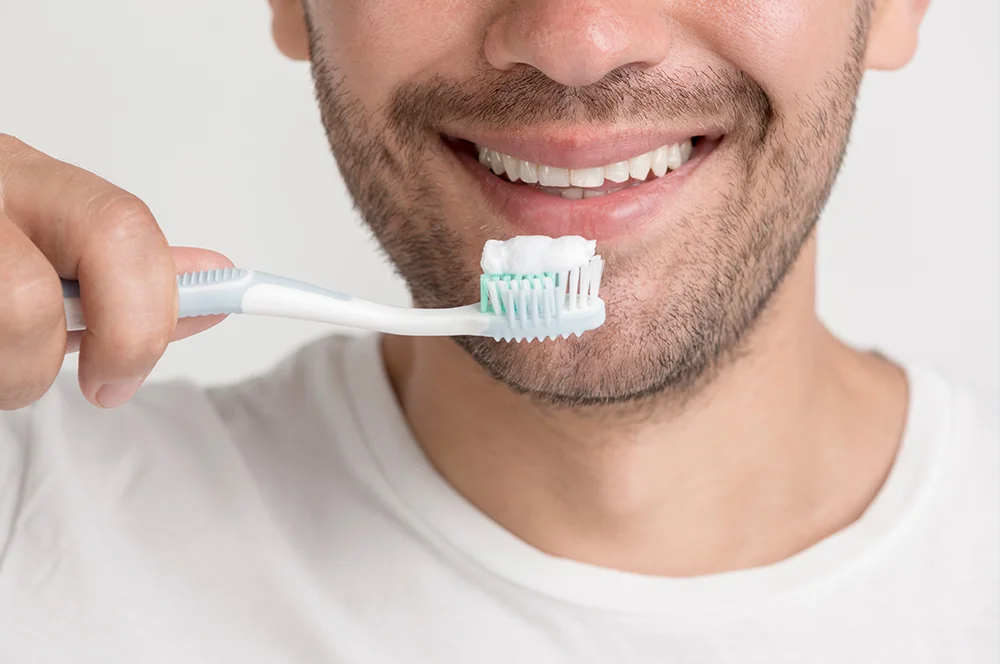
The Habits That Actually Cause Problems
We see the same handful of patterns over and over. None of them is about laziness.
Common mistakes we correct…
- Scrubbing hard sideways instead of angling into the gum line
- Rinsing with water after brushing, which washes the fluoride away
- Brushing straight after acidic food, while enamel is softened
- Flossing only where food gets stuck, rather than every contact
- Using one size of interdental brush for gaps that vary
- A brush head kept for six months instead of three
Signals your routine is not working…
- Gums bleed when you brush or clean between the teeth
- Persistent bad breath or a bad taste
- Tartar visibly rebuilding within weeks of a cleaning
- New cavities appearing between teeth at checkups
- Gums receding or teeth becoming sensitive at the neck
Bleeding gums are the single most ignored warning in dentistry. Healthy gums do not bleed when cleaned properly — bleeding means inflammation, and at that stage it is still reversible.
What Oral Hygiene Care Costs in Torrance
Hygiene coaching is part of your regular visit rather than a separate bill — it is the cheapest dentistry there is, and the only kind that prevents the rest.
Included in your visit
Technique coaching, disclosing and tool fitting happen as part of your checkup and cleaning rather than as a charged add-on.
Covered by most plans
Two exams and cleanings a year are covered at or near 100% by most insurance, because prevention costs insurers far less than treatment.
The cheapest appointment you book
A cleaning costs a small fraction of a filling, and a tiny fraction of a crown or implant. Everything else on this site is more expensive than this.
Floss vs Interdental Brushes vs Water Flosser
Three ways to clean between teeth. They are not interchangeable, and the right one depends on the size of your gaps.
Interdental brushes
Small bristle brushes sized to each gap.
- More effective than floss where gaps allow one
- Sizes must be fitted — one size does not suit a whole mouth
- Easier to use consistently than floss
Dental floss
For tight contacts a brush will not enter.
- Essential where teeth touch tightly
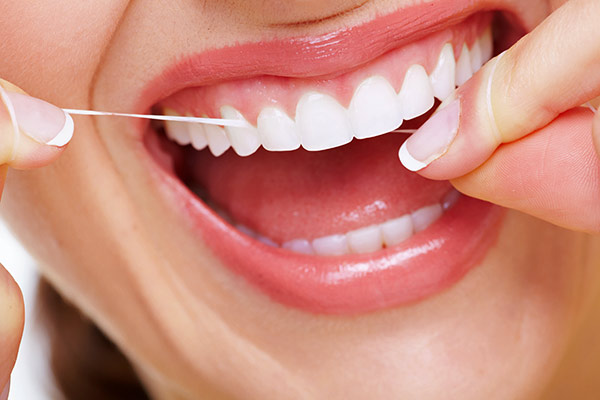
- Must curve around each tooth, not snap straight down
- Threaders needed under bridges
Water flosser
A pulsed jet along the gum line.
- Excellent around braces, bridges and implants
- The one most people actually keep using
- A supplement to brushing between teeth, not a replacement
How We Coach It
Ten minutes at the chair changes more than any leaflet. This is what actually happens.
Show You the Plaque
A disclosing agent stains the plaque you have left behind so you can see it in a mirror. Almost everyone is surprised by where it is — and it is rarely where they expected.
Fit the Right Tools
We measure your gaps and fit interdental brush sizes to them, rather than sending you to a shelf of options. Where a gap is too tight for a brush, floss is the tool and we show the technique.
Practise at the Chair
You do it, we watch, we correct. Being told about technique and performing it under supervision are entirely different things, and only one of them changes what happens at home.
The Routine That Actually Works
Short, specific and repeatable beats elaborate. This is the whole of it:
- Brush twice a day for two full minutes with fluoride toothpaste
- Angle the bristles into the gum line at 45 degrees and use small circles, not scrubbing
- Spit, do not rinse — leaving the fluoride on the teeth is half the benefit
- Clean between every tooth once a day, with the tools fitted for your gaps
- Replace the brush head every three months, or sooner if splayed
- Reduce how OFTEN you have sugar, not just how much — frequency drives decay
Two dental visits a year is about two hours. The other 8,758 hours are where teeth are actually kept or lost.
Why Torrance Patients Learn It Here
Shown, not lectured
Disclosing solution, a mirror and a demonstration. Nobody improves their technique from being told they should floss more.
Tools fitted to your mouth
Interdental sizes measured against your actual gaps. A single size used everywhere either will not enter or will not touch the sides.
No judgement about the gap since your last visit
However long it has been, the visit starts from where you are. If anxiety is the reason, see dental anxiety care.
Easy from anywhere in the South Bay
A short drive from Redondo Beach, Manhattan Beach, Hermosa Beach, Gardena, Carson, Lomita, Palos Verdes, Harbor City and San Pedro, with free parking on site.
Oral Hygiene Questions, Answered
Once a day is the target, and it matters more than a second brushing would. A toothbrush cannot reach the two surfaces where teeth touch, and those are where most decay between teeth and most gum disease begin. If flossing is awkward, interdental brushes are usually more effective and far easier to keep up.
No — spit, do not rinse. Rinsing with water immediately washes away the fluoride that has just been applied, which is a large part of the benefit. Leave it on the teeth and avoid eating or drinking for a short while afterwards.
For most people, yes — mainly because oscillating heads and built-in timers correct the two things people get wrong: technique and duration. A pressure sensor is the most useful feature if you brush hard. A manual brush used properly still beats an electric one used badly.
Because they are inflamed by plaque at the gum margin — not because the brush is damaging them. Healthy gums do not bleed when cleaned properly. The instinct to brush that area less makes it worse; the answer is to clean it more carefully, and at this stage it is entirely reversible.
No. Mouthwash cannot remove plaque, which is a sticky biofilm that has to be physically disrupted. A fluoride rinse at a different time of day is a useful addition; used instead of cleaning between the teeth it achieves very little.
Tartar is plaque that has hardened, and it forms faster in some people than others — saliva chemistry plays a part you cannot control. What you can control is removing plaque before it hardens, which takes about two days. If it is rebuilding within weeks of a cleaning, your interval may need shortening rather than your effort increasing.
The opposite. Hard brushing wears the root surface and pushes gums back, causing recession and sensitivity, while still missing the places that matter. Light pressure, correct angle and enough time beat force every time.
Yes. Our office on Marcelina Ave in Old Torrance is a short drive from Redondo Beach, Manhattan Beach, Hermosa Beach, Gardena, Carson, Lomita, Palos Verdes, Harbor City and San Pedro. Parking on site is free.
More Preventive Care
Want to Know What You Are Missing?
Book a checkup and cleaning at Haru Dental in Old Torrance. We will stain the plaque you have left behind, show it to you in a mirror, and fit the right tools to your gaps before you leave.
Opening Hours
- Mon–Fri: 9:00 AM – 6:00 PM
- Every other Saturday: 9:00 AM – 3:00 PM
- 1454 Marcelina Ave, Torrance, CA 90501
- (310) 362-2875